Showing posts with label cardiovascular disease. Show all posts

Monday, October 1, 2012

Obesity Overview

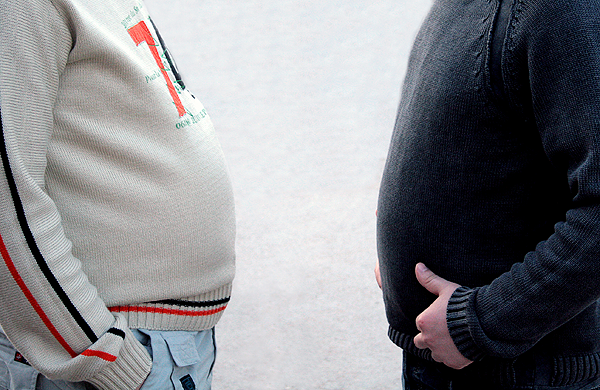
obesity, overweight, BMI, shadow, health problem
Obesity is diagnosed when your body mass index (BMI) is 30 or higher. In people of Asian descent, you may be diagnosed with obesity when your BMI is 27.5 or higher. To calculate your BMI, divide your weight (in kilograms) by your height (in meters) squared. Or if that's too complicated for you, use an online BMI calculator found here: http://nhlbisupport.com/bmi/

"Obesity is more than just a cosmetic problem."


A BMI of more than 40 means you are morbidly obese. Morbid obesity carries a very high risk for cardiovascular diseases and severely interferes with a person's normal functioning and quality of life. It is more than just a cosmetic problem.


People who are obese have an excessive amount of body fat. Because muscle weighs more than fat, sometime using only BMI to diagnose obesity can be inaccurate, especially in muscular people like athletes. Therefore, waist circumference is also used to determine the amount of abdominal fat. People who carry too much fat around the middle (central obesity), are more likely to have health problems. Waist measurement greater than 40 inches (101 cm) in men and greater than 35 inches (88 cm) in women are considered to carry increased risk for diseases. In people of Asian descent, greater than 36 inches (90 cm) in men and greater than 32 inches (80cm) in women.


What causes obesity?


A lot of people thinks that obesity is caused simply because one eats too much calories and lacks physical activity. However, there are other factors that also play a role in obesity which include:
  • Genetic factor. Obesity tends to run in family. If one's biological mother is heavy as an adult, there is more than 50% chance her offspring will grow to be heavy. This doesn't mean that your genes failed you and convict you to a lifetime of obesity, though. Many people who are genetically predisposed to obesity do not become obese or are able to lose weight and keep it off.
  • Age. As your body ages, your metabolism rate slows down and you do not require as many calories to maintain your weight.
  • Gender. Women have slower resting metabolism rate than men and thus more prone to obesity. 
  • Environmental factors, including lifestyle behaviors, what a person eats, and his or her activity.
  • Psychological factors. Many people eat in response to emotions such as boredom, sadness, or anger.
  • Medical conditions. There are some illnesses that can cause obesity, such as hypothyroidism, Cushing's disease, and polycystic ovarian syndrome. Arthritis may also cause obesity by restricting physical activity.
  • Drugs. Certain drugs such as steroids and antidepressants may cause excessive weight gain.
  • Lack of sleep. Getting less than seven hours of sleep at night causes hormonal changes that may increase your appetite.

obesity, overweight, problem, health, wellness, male, headache
Obesity affects one's quality of life.

What are the physical and psychological effects of obesity?


Some of the potentially serious health problems you may develop from obesity include: metabolic syndrome, high blood pressure, high cholesterol, type 2 diabetes, cardiovascular diseases, cancer (especially colon and breast cancer), sleep apnea, liver and gallbladder diseases, infertility, and osteoarthritis. Obesity is also associated with low quality of life because of self esteem issues and discrimination that leads to social isolation and depression.

When to seek help?


Contact your doctor or health care provider if you think you may be obese to evaluate your health risks and discuss weight-loss options. You should also seek help if you are having emotional or psychological issues related to obesity.

What are the management options?


Weight loss is usually possible through dietary changes, increased physical activity and behavior changes. In some cases, prescription medications or weight loss surgery may be used under physician's recommendation. Support groups are available to provide help with the psychological aspects of obesity. Stress management and healthy coping strategies are beneficial to increase quality of life.

Sunday, September 30, 2012

Heart Disease Prevention

Heart disease is the leading cause of death in the United States. According to the American Heart Association, at least 58.8 million American suffer from heart disease of any form. Around 950.000 people die every year from cardiovascular causes. It is also a major cause of disability for the survivors. Even though increased age is a risk factor, it's a big misconception to think that heart disease only happens to the elderly. One out of every 20 people below the age of 40 has heart disease.

The good news is that there are many ways to prevent heart disease. Studies show that nearly everyone, even those with unmodifiable risk factors such as old age and racial background, can become more heart healthy by following a few key steps, such as eating a healthy diet, exercising, quitting smoking, and maintaining a healthy body weight.

Quit Smoking


Smoking or tobacco use is one of the most significant risk factors for developing heart disease. Even occasional social smoking increases the chance of getting heart disease, as is exposure to second-hand smoke. Pipe smoking or using low-tar, low-nicotine products does not reduce the risk by much. However, when you quit smoking, your heart disease risk drops dramatically within just one year. No matter how long or how much you smoked, you'll start reaping rewards as soon as you quit.

Exercise regularly


Try getting at least 30 minutes of moderate physical activity most days of the week. You can break up your exercise time into three times 10 sessions. Casual activities such as gardening, housekeeping, and taking the stairs all count toward your total.

Eat a heart-healthy diet


Following the DASH (Dietary Approaches to Stop Hypertension) eating plan can help protect your heart. The diet is rich in fruits, vegetables, whole grains and low-fat dairy products. Limiting saturated and trans fat will also reduce your LDL cholesterol which plays an important role in the development of heart disease.

Omega-3 fatty acids is a type of polyunsaturated fat that decreases your risk of heart attack by lowering blood pressure and prevents irregular heart beats. Omega-3 is present in salmon, mackerel, flaxseed oil, soybean oil and canola oil. They can also be found in form of food supplements.

Moderate amount of alcohol, such as red wine can have a protective effect on your heart. Limit consumption to no more than two drinks a day for men, and one a day for women.

Maintain a healthy weight


As you put on weight in adulthood, your weight gain mostly consists of fat rather than muscle. Even a small weight loss can be beneficial. Reducing your weight by just 10% can decrease your blood pressure, lower your blood cholesterol level and reduce your risk of diabetes which in turn reduce your overall risk for cardiovascular diseases.

One way to see if your weight is healthy is to calculate your body mass index (BMI). If your BMI is 25 or higher, you have an increased risk of heart disease and stroke. The BMI is a good, but imperfect guide. Muscle weighs more than fat, and women and men who are very muscular and physically fit can have high BMIs without added health risks. Because of that, waist circumference also is a useful tool to measure how much abdominal fat you have. Men are considered overweight if their waist measurement is greater than 40 inches (101 cm). Women are overweight if their waist measurement is greater than 35 inches (88 cm).

Regular screening for heart disease risk factors


Check your blood pressure at least every 2 years starting from 18 years old. Check your cholesterol level every 5 years (more frequently if you are at an increased risk for heart disease) starting from 20 years old. Check your blood sugar level every five years (more frequently if you have other risk factors such as obesity or high blood pressure) starting from age 30 years old.

Wednesday, August 8, 2012

The DASH (Dietary Approach to Stop Hypertension) Eating Plan

What is the DASH eating plan?


The DASH (Dietary Approaches to Stop Hypertension) eating plan was originally designed to lower blood pressure, but it turns to be beneficial for other conditions like diabetes, stroke, and even several types of cancer.


Within two weeks of starting the DASH diet your blood pressure may drop from 8 to 14 points. Best response came from people with prehypertension and people whose blood pressure was only moderately high. Even though the DASH diet is not intended for weight-loss, you may lose unwanted pounds because it guides you toward a healthier eating habit.


The components of the DASH diet includes:

  • Reduced sodium intake. The standard DASH diet recommends up to 2300 mg (1 teaspoon) of sodium per day, while the lower sodium DASH diet recommends up to 1500 mg (2/3 teaspoon) per day. The lower sodium version is especially helpful in lowering blood pressure for middle aged or older adults, for African-Americans and for those who already have high blood pressure.
    An apple a day keeps the doctor away? Try four or five.
  • Fruits and vegetables. In a 2000 calories per day basis, DASH recommends 4-5 servings or fruit and another 4-5 servings of vegetables per day.One serving of vegetable includes 1 cup raw leafy or 1/2 cup of cooked vegetables. One serving of fruit includes 1 medium fruit or 1/2 cup fresh, frozen or canned fruit. Most fruits are low in fat except for coconut and avodacoes.
  • Grains. In a 2000 calories per day basis, DASH recommends 6-8 servings or grain products such as bread, cereal, rice and pasta. One serving of grains includes 1 slice whole-wheat bread, 1 ounce of dry cereal, or 1/2 cup cooked cereal, rice or pasta. Whole grains are better choices because they have more fiber and nutrients than do refined grains
  • Low or non fat diary products. In a 2000 calories per day basis, DASH recommends 2-3 servings or diary products such as milk, yogurt, and cheese. One serving includes 1 cup of skim or 1% milk, 1 cup of yogurt or 1.5 ounces of cheese.
  • Lean meat, poultry, and fish.  In a 2000 calories per day basis, DASH recommends up to 6 servings. One serving includes 1 ounces of cooked skinless lean meat, poultry, or fish or 1 egg. Even lean varieties of meat my contain extra fat and cholesterol. So go easy on them.
  • Seeds and nuts. DASH recommends 4-5 servings per week of seeds and nuts such as almonds, sunflower seeds, kidney beans, peas, and lentils. Serving sizes are small and are intended to be consumed weekly because these foods are high in calories. One serving includes 1/3 cup of nuts, 2 tablespoons seeds or 1/2 cup cooked beans or peas.
  • Lower total fat with higher portion of unsaturated fat. In a 2000 calories per day basis, DASH recommends only 2-3 servings of fat. One serving includes 1 teaspoon of soft margarine, 1 tablespoon of low-fat mayonnaise or 2 tablespoons light salad dressing. Saturated fat and trans fat raises your blood cholesterol, especially the bad LDL cholesterol. Meat, butter, whole milk, cream, eggs, palm and coconut oils are high in saturated fat. Therefore, you would want to avoid them. 
  • Reduce sweets and added sugars consumption. DASH recommends no more than 5 servings of sweets per week. One serving includes 1 tablespoon of sugar, jelly or jam or 1/2 cup of sorbet. 
  • Limiting alcohol. DASH recommends that men limit alcohol to 2 or fewer drinks a day and women 1 or less.

To sum it all, the DASH eating plan emphasizes on a balanced diet, heavy on fruits and vegetables, with the right amount of protein, but lower in sodium and total fat. 


Sunday, July 15, 2012

Metabolic Syndrome and Related Conditions

What is metabolic syndrome?

Metabolic syndrome (also known as metabolic syndrome X, syndrome X, cardiometabolic syndrome, and insulin resistance syndrome) is a combination of risk factors that raises the risk for cardiovascular disease and other health disorders like stroke and diabetes. Studies indicated that almost as high as 25% of the United States people suffers from metabolic syndrome and this number increases to around 35% as the population ages.

The term 'metabolic' is used to describe alterations in the normal biochemical processes in the body that occurs with these multiple condition. Metabolic syndrome occurs when a person has three or more of the following: 


  • obesity, stomach, abdominal, metabolic syndrome, diabetes, hypertension, cardiovascular, disease
    abdominal obesity or apple shaped belly
    Abdominal obesity
  • Triglyceride level ≥150 mg/dL
  • HDL cholesterol <40 mg/dL in men or <50 mg/dL in women
  • Systolic blood pressure ≥130 mm Hg
  • Diastolic blood pressure ≥85 mm H
  • Fasting glucose ≥100 mg/dL
  • Insulin resistance or glucose intolerance

Having only one of these conditions doesn't mean you have metabolic syndrome, but having one increases your odds for getting another one.

"Standalone, each one of the conditions that made up metabolic syndrome is already a serious health problem. Combined, the risk of contracting a serious disease increases even more."


Although metabolic syndrome is a serious condition, with aggressive lifestyle changes, you can delay or even prevent the development of serious health problems. Weight reduction, physical activity, healthy diet, and regular monitoring of blood glucose, blood cholesterol, and blood pressure are beneficial to people with metabolic syndrome.
 

Risk factors of getting metabolic syndrome are increasing age, racial background (Hispanics and Asian are at a greater risk), obesity, family history of diabetes and other diseases like hypertension or polycystic ovary syndrome in women.

Thursday, July 12, 2012

Know Your Cholesterol

What is cholesterol?


Cholesterol is a chemical compound that is normally produced by the body and its structure is a combination of fat and steroid. It is not necessarily a harmful substance. Instead it is a basic component of the cell membrane and for hormone production. Most of the cholesterol in our body is produced by the liver (around 80%), while the rest comes from our food. Meat, poultry, fish, and dairy products are the main sources of dietary cholesterol. Animal liver is especially high in cholesterol, while fruits and vegetables contain little or no cholesterol.

"LDL is the bad cholesterol, while HDL is the good one."


burger, french fries, ketchup, food, cholesterol, saturated, fat, diet, nutrition, meal, LDL
A typical burger and fries meal may contain up to 12 g of saturated fat which increases LDL cholesterol.

Types of cholesterol

There are four types of cholesterol found in the human body. They are low density lipoproteins (LDL), high density lipoproteins, very low density lipoproteins (VLDL) and triglycerides.

LDL cholesterol is also known as the 'bad' cholesterol. High levels of LDL cholesterol in the blood can cause the formation of cholesterol plaques in the walls of blood vessels, causing problems like coronary heart disease, stroke, and peripheral artery disease. Cholesterol plaque can eventually causes thickening of the blood vessel walls and narrowing of the arteries. This is known as atherosclerosis.

HDL cholesterol is also known as the 'good cholesterol'. High levels of HDL cholesterol helps our body to get rid of the bad cholesterol, thus preventing the formation of plaque. That's why the higher your HDL levels are, the better.

A high LDL/HDL ratio (high levels of LDL and low levels of HDL) increases the risk to contract atherosclerosis. Conversely, a low LDL/HDL ratio protects the blood vessels from plaque formation.

VLDL is pretty much similar to LDL. It consists of mostly fat and not much protein, unlike HDL.

Triglycerides are carried by very low density lipoproteins. The levels might increase after consumption of alcohol or high calorie food. Excess glucose is also transformed into triglycerides and this is why people with diabetes tend to have high levels of it. 

Total cholesterol is the sum of LDL cholesterol, HDLcholesterol, and VLDL cholesterol. The VLDL levels are usually calculated as approximately one-fifth of the triglycerides levels.

The desirable levels of total cholesterol is <200 mg/dL (<5.2 mmol/L). Levels of 200-239 mg/dL (5.2-6.19 mmol/L) is considered borderline, while levels ≥240 mg/dL (≥6.2 mmol/L) is considered high. Starting from the age of 20 everyone should get their cholesterol levels checked at least once every five years.

Monday, June 25, 2012

Understanding Hypertension (High Blood Pressure) Part 2: About Treament

Continuing from Part 1: How high is high? This entry is all about the treatment of hypertension.

What is the goal of hypertension treatment?

The goal of treatment is to reduce blood pressure to <140/90 mmHg in otherwise healthy subject and to <130/80 in patients with diabetes or chronic kidney disease. Even though lifestyle modification is an important part in the treatment plan, most people with high blood pressure will require medication to achieve this goal.

Lifestyle modification


Lifestyle modification, however, remains as the first and most critical step in managing hypertension. Examples of changes you can try to help reduce your blood pressure are as follows:
  • Eat healthy diet, including the DASH (Dietary Approaches to Stop Hypertension) diet which consists eating more fruits and vegetables, reduce fatty foods and eating less red meat.
    salt, sodium, shaker, hypertension, diet,
    reduce salt intake
    Reduce the amount of sodium in your diet to less than 1500 milligrams a day (less than two-third teaspoon of salt).
  • Try to lose some weight if you are overweight or obese.
  • Quit smoking.
  • Exercise regularly, especially aerobic exercise such as brisk walking or jogging at least 30 minutes a day
  • Limit alcohol consumption to two drinks a day for men and one drink a day for women. Drinking red wine in a small amount helps maintain cardiovascular health due to its antioxidant properties.

Medications

If lifestyle modification fails to control the blood pressure, then starting medication is the next step. Depending on the stage of your hypertension, usually your physician will start giving a single drug or a combination of two drugs. Diuretics (a type of drug that makes you urinate a lot) are almost always the first choice regardless what your initial condition is. Listed below are the common medications for hypertension:
medication, pills, tablets, hypertension, drugs, high blood pressure, calendar
take your medicine regularly
  • Angiotensin-converting enzyme (ACE) inhibitors 
  • Angiotensin receptor blockers (ARBs)
  • Alpha blockers
  • Beta blockers
  • Calcium channel blockers
  • Central alpha agonists
  • Diuretics
  • Renin inhibitors
  • Vasodilators
The most important thing to be aware of when you're starting medication is to always remember to monitor your blood pressure regularly to avoid sudden drops in your blood pressure.

Friday, June 15, 2012

Understanding Hypertension (High Blood Pressure) Part 1: How High Is High?

How high is your blood pressure? 


hypertension, high blood pressure, digital, monitor, pulse, systolic, diastolic, health
systolic ≥160 and diastolic ≥100 in stage 2 hypertension
Blood pressure readings are usually given as two numbers, for example 120 over 80 (written as 120/80 mmHg). The top number is called the systolic blood pressure, and the bottom number is called the diastolic blood pressure. Both numbers are equally important to consider in the diagnosis of hypertension.


The classification of hypertension or high blood pressure in the Seventh Report of the Joint National Committee on Prevention, Detection, and Treatment of High Blood Pressure (JNC7) is as follow:

Normal                           : systolic <120 mmHg and diastolic <80 mmHg
Prehypertension          : systolic 120-129 mmHg and diastolic 80-89 mmHg
Hypertension, stage 1 : systolic 140-159 mmHg and diastolic 90-99 mmHg
Hypertension, stage 2 : systolic ≥160 mmHg and diastolic ≥100 mmHg

If you are measuring your blood pressure by yourself, the best time to measure your blood pressure is in the morning after you wake up. Blood pressure tends to be higher after exercise. Anxiety, such as in the cases of white coat hypertension, pain, a full bladder, caffeinated drinks, and smoking can also cause the measurement to go higher than it should. Therefore, make sure you are in a resting condition when taking your measurement.

When you find your blood pressure to be higher than normal, don't start panicking. More importantly, do not engage in self-medication. A few years back, I met a person who took over five types of herbal medications to treat hypertension. She ended up getting a kidney failure either because of the disease itself or because of the numerous shady treatment options she undertook. Consult your doctor first if you think your blood pressure readings are abnormal. There's always a possibility for error in measurement.

Note that some electronic self measuring devices may yield slightly different numbers with the ones obtained by a healthcare professional. Some factors like the cuff size and your position when taking your measurement may also affect your result. When in doubt, repeat your measurement over a few days or ask trained individual to repeat it for you.

Hypertension is a silent disease.


According to the American Heart Association, hypertension affects one in three adults in the United States. Approximately one in three people with high blood pressure don't realize they have it. Under diagnosis is a major problem even with the campaign to routinely screen for hypertension in people as young as 18 years old.

What causes hypertension?


The majority (about 95%) cases of hypertension is called primary or essential hypertension, which is caused by a combination of many risk factors like age, genetics, lifestyle, obesity, and dietary habit (especially salt intake). A small number of cases (around 5%) is caused by a specific disease that affects one or more organs in our body and is called secondary hypertension. Kidney diseases or a tumor of the adrenal gland may cause secondary hypertension.

What are the symptoms and complications of hypertension?


Most of the time people feel no symptoms even when their blood pressure is high. Because of this, people can develop complications like cardiovascular diseases, kidney failure, eye problems, and brain damage without knowing they have high blood pressure. The range of symptoms varies from mild headache or dizziness in mild hypertension to heart attack or stroke in severe cases. If you experience severe headache, nausea or vomiting, confusion, changes in your vision, or nosebleeds you may have a dangerous form of high blood pressure that requires immediately medical attention.


Other articles on hypertension:

  • The goal of treatment is to reduce blood pressure to <140/90 mmHg in otherwise healthy subject and to <130/80 in patients with diabetes or chronic kidney disease. Read more about hypertension treatment
  • The DASH (Dietary Approaches to Stop Hypertension) eating plan was originally designed to lower blood pressure, but it turns to be beneficial for other conditions like diabetes, stroke, and even several types of cancer. Read more about DASH eating plan
  • Here are a few things you need to know so you can choose the right blood pressure monitor that suits your needs. Read more about choosing blood pressure monitor